Understanding the Costs and Benefits of Developing an AI-Driven Smart Personal Assistant App
Artificial Intelligence (AI) is reshaping the way users interact with digital products. From voice-enabled commands to intelligent automation, AI-driven smart personal assistant apps are becoming essential tools for businesses and consumers alike in 2025 and beyond.
Well-known platforms like Siri, Alexa, and Google Assistant demonstrate how AI-powered assistants improve productivity, streamline tasks, and deliver personalized experiences. For businesses, investing in a smart personal assistant app opens new opportunities for automation, customer engagement, and long-term growth. In this guide, we will explore the key technologies, development costs, business benefits, and strategic considerations involved in building an AI-driven smart personal assistant app.
What Is an AI-Driven Smart Personal Assistant App?
An AI-driven smart personal assistant app is a digital solution powered by artificial intelligence that helps users perform tasks through voice or text interaction.
These apps can:
- Answer user queries instantly
- Schedule appointments and reminders
- Automate daily tasks:
- Control smart devices
- Provide personalized recommendations
- Support customer service operations
Over time, the assistant learns from user behavior, making interactions more accurate and tailored, enhancing its overall usefulness and efficiency.

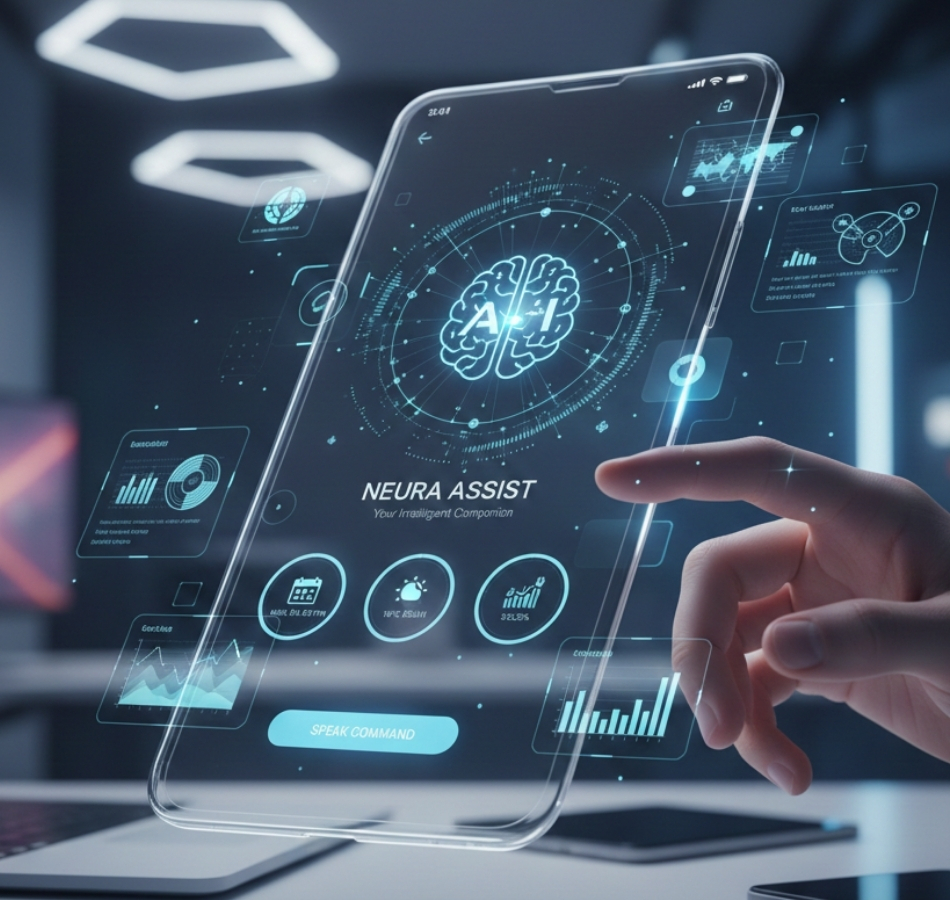
Core Technologies Behind Smart Assistant Apps
Developing a smart assistant app involves multiple advanced technologies:
Natural Language Processing (NLP):
Enables the app to understand human language and respond naturally.
Machine Learning (ML):
Allows the system to learn from interactions and improve over time.
Speech Recognition:
Converts voice input into actionable data.
Cloud Infrastructure:
Supports AI processing, data storage, and scalability.
Connects with calendars, smart devices, CRM tools, and more.
To see how smart automation is shaping digital solutions, explore this helpful guide on modern connected technologies and intelligent systems.
Costs of Developing an AI-Driven Smart Personal Assistant App
The total investment depends on features, complexity, and development approach. Below are the main cost components:
1. Research and Planning:
Includes market analysis, feature planning, and UX strategy.
2. UI/UX Design:
Covers intuitive layouts, voice interaction flows, and user experience optimization.
3. AI Model Development:
The most significant cost factor, involving:
- NLP algorithm implementation
- Machine learning model training
- Performance testing


4. Backend & Cloud Infrastructure:
Handles:
- Data storage
- Real-time communication
- AI processing
5. Third-Party Integrations:
Connecting with smart devices, payment gateways, and business tools.
6. Maintenance & Continuous Improvement:
Includes:
- AI retraining
- Feature updates
- Security enhancements
Costs of Developing an AI-Driven Smart Personal Assistant App
| Feature | Traditional Apps | AI Smart Assistant Apps |
|---|---|---|
|
User Interaction |
Manual input |
Voice & AI-driven |
|
Personalization |
Limited |
Highly personalized |
|
Automation |
Minimal |
Advanced |
|
User Engagement |
Moderate |
High |
|
Long-Term Cost Efficiency |
Medium |
High |
Get Free Quote

Benefits of Developing an AI Smart Personal Assistant App
1. Enhanced User Experience
AI assistants deliver quick responses, hands-free interaction, and customized experiences.
2. Increased Productivity
They automate routine tasks, saving time for users and businesses.
3. 24/7 Availability
AI assistants operate continuously without human intervention.
4. Long-Term Cost Savings
Automation reduces staffing and operational expenses.
5. Personalized Engagement
Behavior analysis enables targeted recommendations and services.
Benefits of Developing an AI Smart Personal Assistant App
Several elements influence the overall budget:
- Feature complexity
- Voice-based vs text-based systems
- Custom AI models vs pre-trained solutions
- Platform selection (iOS, Android, Web)
- Number of integrations
- Data security requirements
A basic assistant costs significantly less than enterprise-level AI solutions.


Is Building a Smart Assistant App Worth It?
AI-driven smart assistants offer strong ROI when aligned with business goals such as:
- Customer service automation
- Smart home solutions
- Healthcare scheduling
Companies that leverage AI effectively often see improved efficiency, higher engagement, and reduced operational costs.
Best Practices for Successful AI Assistant Development
- Start with essential features and scale gradually
- Choose proven AI frameworks and cloud platforms
- Prioritize user-friendly design
- Implement strong security protocols
- Continuously test and optimize AI performance
Working with experienced AI developers ensures better quality and faster deployment.

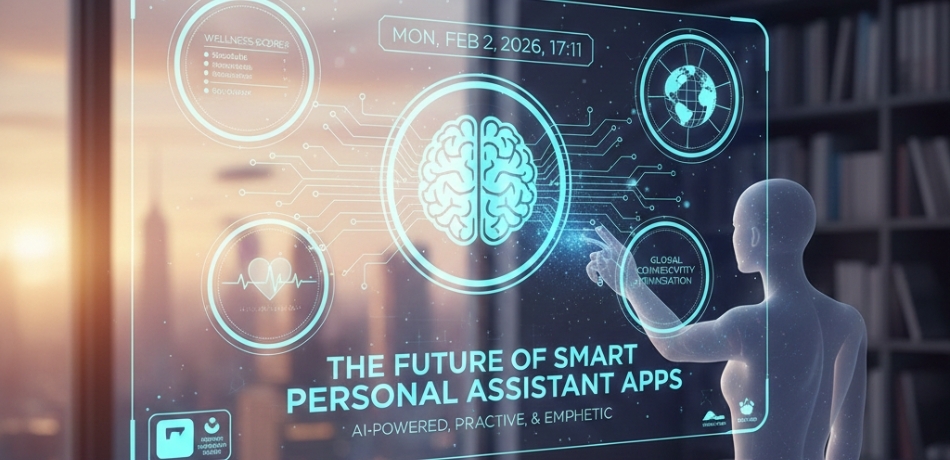
The Future of Smart Personal Assistant Apps
The next generation of AI assistants will include:
- Predictive task automation
- Emotion recognition
- Advanced personalization
- Deeper IoT integrations
Businesses investing in AI today will stay ahead of digital transformation trends.